


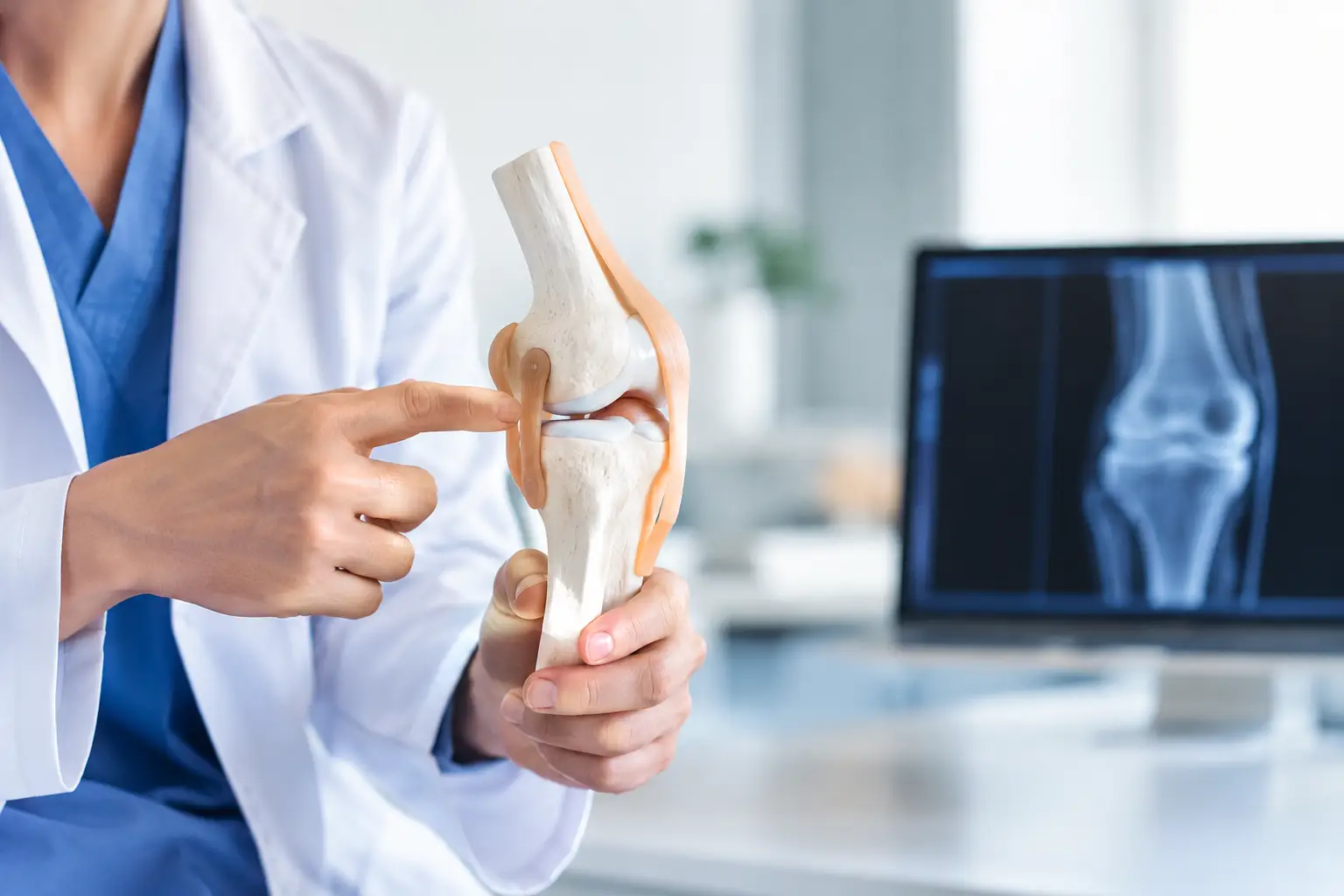
A painful knee on the stairs, a hip that catches when getting out of the car, or a growing reluctance to walk any distance can make the prospect of joint replacement feel inevitable. Yet the future of joint preservation surgery is not simply about postponing an operation at all costs. It is about identifying the source of pain accurately, protecting healthy joint tissue where possible, and choosing treatment that gives the best chance of lasting movement and confidence.
For some people, preserving their natural hip or knee may be realistic and worthwhile. For others, arthritis or structural damage has progressed far enough that replacement offers the more reliable route back to everyday life. The value of specialist assessment lies in understanding that distinction early and making a plan around the individual, rather than applying a single solution to every painful joint.
What does joint preservation surgery mean?
Joint preservation describes treatments intended to relieve symptoms, improve the way a joint functions and slow further damage while retaining the patient’s own joint. It can include non-operative care, targeted injections, keyhole procedures, repair or reconstruction of damaged structures, and, in selected cases, surgery to correct the way forces travel through the joint.
In the knee, this may involve treating a repairable meniscal injury, restoring stability after ligament damage, addressing localised cartilage problems or correcting significant malalignment. In the hip, it can mean investigating impingement, labral injury or early cartilage wear, particularly where pain has a clear mechanical cause.
The phrase can sound as though surgery is always the central answer. Often it is not. A well-designed programme of physiotherapy, activity modification, weight management where appropriate, and carefully selected injection treatment may preserve comfort and function without an operation. The right approach depends on the diagnosis, the condition of the cartilage, alignment, stability, age, activity goals and the pattern of pain.
Why the future of joint preservation surgery is more personalised
The most significant change is not one new procedure or injection. It is a more precise way of deciding who is likely to benefit from preservation treatment and who is better served by joint replacement.
Two people can have similar findings on an X-ray but very different symptoms and expectations. One may be managing well with occasional discomfort and wish to continue playing tennis. Another may have pain every night, struggle at work and be unable to walk their dog. Imaging is essential, but it is only one part of the picture. A careful history, examination and an understanding of what matters most in daily life are equally important.
Modern imaging and planning help surgeons assess cartilage loss, bone shape, alignment and areas of overload in greater detail. This improves the ability to match treatment to the actual problem. For example, pain from a small, repairable meniscal tear in an otherwise healthy knee is very different from pain caused by widespread bone-on-bone arthritis. Treating both in the same way would not be good care.
Precision also matters when surgery is considered. Better planning can help protect surrounding tissue, correct the relevant structural issue and set realistic rehabilitation goals. However, sophisticated scans and technology do not remove the need for judgement. A technically possible operation is not automatically the operation most likely to improve a person’s quality of life.
Earlier assessment can protect options
Persistent symptoms should not be ignored simply because they are tolerable on some days. Recurrent swelling, catching, giving way, a change in walking pattern, pain at rest or a steadily reducing range of movement all merit assessment. Earlier diagnosis may reveal a condition that responds well to rehabilitation or a targeted procedure before secondary damage develops.
That does not mean every ache needs a scan or surgery. Many hip and knee problems settle with time and appropriate guided exercise. The concern is ongoing pain that limits work, sleep, mobility or valued activities despite sensible treatment.
Regenerative treatments: promise, but not a shortcut
Regenerative orthopaedics is likely to remain an important part of the conversation about preserving joints. Treatments such as platelet-rich plasma, hyaluronic acid and Arthrosamid may help selected patients manage symptoms, particularly when the aim is to remain active while avoiding or delaying surgery.
These treatments are not interchangeable, and none can reliably regrow a severely arthritic joint. Their usefulness varies according to the diagnosis, degree of arthritis, the joint involved and the patient’s response. Steroid injections can be very effective for reducing inflammation and pain in the short term, but their timing and frequency require care. Hyaluronic acid may be helpful for some people with knee arthritis. Platelet-rich plasma is an option in particular clinical situations, although outcomes are not uniform.
The future is likely to bring better evidence about which treatment works best for which patient, rather than a single injection that suits everyone. Honest advice is essential here. A treatment should be recommended because it fits the clinical problem and the person’s goals, not because it is new or fashionable.
The role of keyhole and reconstructive surgery
Arthroscopy, or keyhole surgery, remains valuable for carefully selected knee conditions. It may be used to address certain meniscal tears, remove loose bodies or assess and treat specific mechanical problems. It is not, however, a general cure for arthritis. Where pain is driven by established widespread arthritis, keyhole surgery is rarely the answer and may not provide meaningful durable relief.
Reconstructive procedures can also have an important preservation role. Restoring stability after injury or correcting a structural issue can reduce harmful loading and support return to activity. These decisions need particular care in complex cases, where previous surgery, deformity, stiffness or altered anatomy can affect both the options and the likely result.
Rehabilitation is not an afterthought. Strength, movement control and confidence in the joint often determine how well a person returns to normal life. A successful procedure without a realistic rehabilitation plan may not deliver the outcome the patient hoped for.
When joint replacement is the better preservation decision
It may sound contradictory, but choosing joint replacement at the right time can preserve something just as important: independence. When arthritis is advanced and pain is limiting sleep, work, family life and mobility, repeated attempts to delay replacement can leave someone less active, weaker and increasingly frustrated.
Modern hip and knee replacement is designed to reduce pain and restore reliable function. For patients with severe joint damage, it may offer a more predictable outcome than procedures intended to preserve tissue that is no longer healthy enough to function well. Partial knee replacement may be an option when arthritis is confined to one part of the knee, while total replacement is often more appropriate when damage is more extensive.
The decision should never be based on age alone. A younger patient with severe symptoms and advanced damage may benefit greatly from replacement, while an older but active patient with a localised, treatable problem may still be suitable for a preservation approach. The question is not simply, “Can the joint be kept?” It is, “Which treatment gives the best prospect of a durable, useful and comfortable life?”
Questions worth asking at a specialist consultation
A good consultation should leave you clearer, not more overwhelmed. Ask what is causing the pain, how certain the diagnosis is, and whether your scan findings match your symptoms. Ask what improvement is realistic with non-operative treatment, what would happen if you waited, and whether surgery is intended to relieve pain, improve function, prevent further damage, or a combination of these.
It is also reasonable to ask about the recovery period, rehabilitation requirements and the chance that a preservation procedure may not prevent later joint replacement. Understanding those trade-offs allows you to make a decision with confidence rather than feeling pressured towards the newest option or the quickest operation.
For people in London and Kent living with ongoing hip or knee pain, specialist review can provide a clearer path forward. The most helpful next step is often not deciding on surgery immediately, but establishing an accurate diagnosis and a plan that respects both the joint and the life you want to return to.