


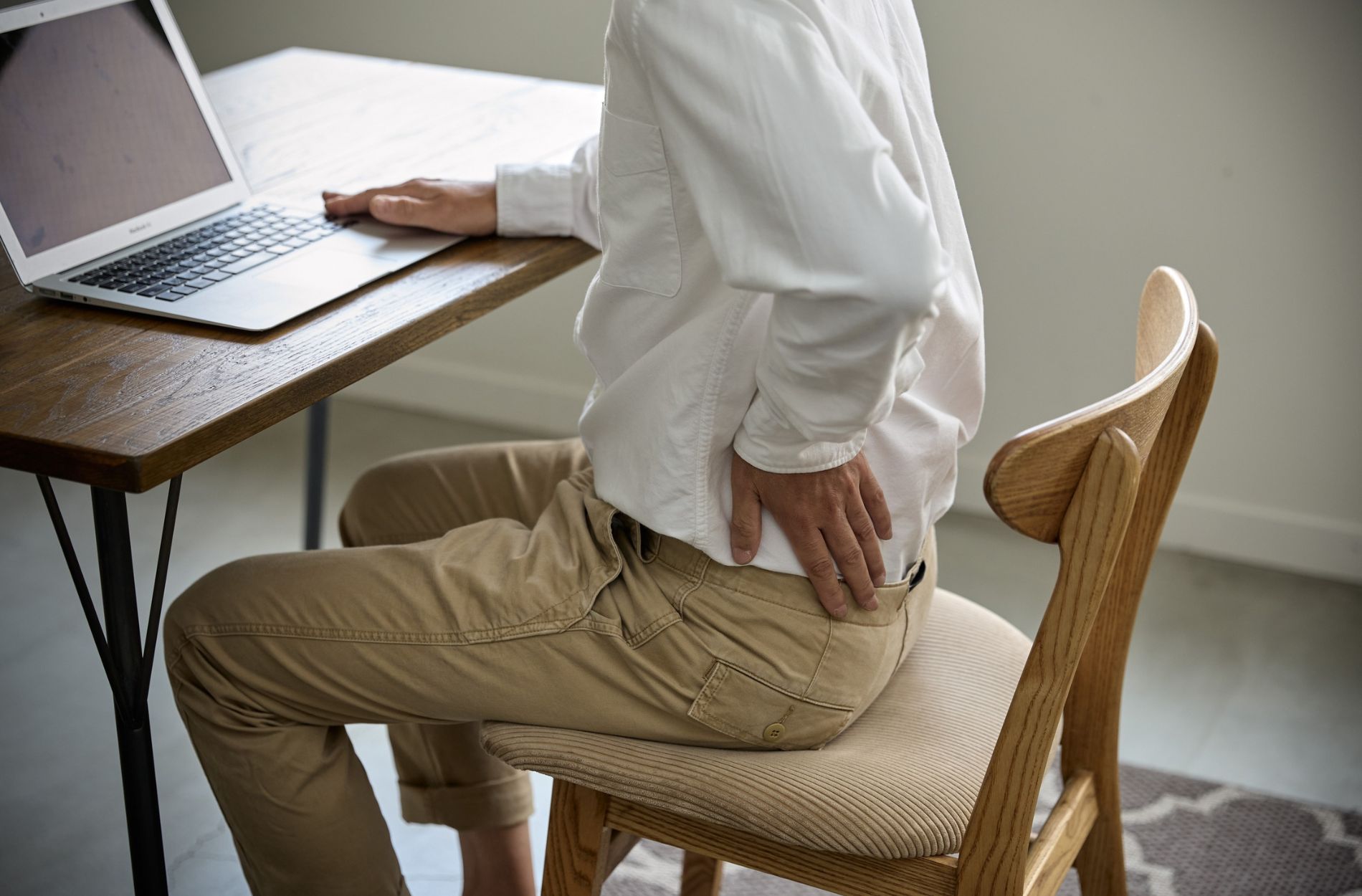
Recognising Hip Arthritis Before It Stops Your Life
Hip arthritis is a common cause of pain and stiffness, but for most people it does not start with sudden, dramatic symptoms. It often creeps in slowly, with small changes that are easy to brush off as “just getting older”. That slow start can make it hard to know when it is time to take things seriously and speak to a specialist.
As symptoms build, they can begin to touch every part of daily life. Walking to the shops, sleeping through the night, driving, working, even simple social plans can all feel harder. When the weather is better and we naturally want to get outside more, those limits can feel even more frustrating.
Our aim here is to help you spot both the early signs of hip arthritis and the more advanced warning signals. By understanding what to look out for, you can decide when it may be sensible to arrange a hip specialist consultation in Kent or London and get clear answers about what is happening with your hip.
Early Warning Signs You Should Not Ignore
In the early stages, hip arthritis often shows up as a deep, dull ache rather than a sharp pain. People commonly feel it:
- In the groin
- In the buttock
- Along the front of the thigh
- Sometimes spreading towards the knee
You may notice stiffness after sitting for a while, such as when you stand up from a chair or step out of the car. It can take a few steps before your hip feels like it is moving properly again. Many people also find it harder to put on shoes and socks or clip toenails because the hip will not bend or rotate as easily.
These early symptoms often:
- Feel worse first thing in the morning
- Ease a little once you have been walking around
- Flare after a longer walk or a busier day on your feet
It is easy to blame these changes on age or fitness, but they are not always “just normal”. If you tend to become more active in spring, increased walking or gardening can bring these symptoms into sharper focus. Noticing that your hip aches more when you try to do a bit extra is a sensible reason to seek professional advice.
When Everyday Activities Become a Struggle
As arthritis progresses, the impact on day-to-day life usually becomes harder to ignore. You might start to notice a limp, or find yourself shifting weight away from the painful side without even thinking about it. Stairs may feel more difficult, and you might rely on the handrail or take one step at a time.
Other common signs include:
- Struggling to get in and out of cars or low chairs
- Avoiding longer walks that you previously enjoyed
- Giving up sports or hobbies that involve twisting or impact
- Feeling your hip “grip” or “catch” with certain movements
Quality of life can change in small but important ways. Night pain can wake you up when you roll over, or stop you lying on one side. You may start planning your day around your hip, choosing routes with fewer steps or turning down invitations because you worry about the walking involved. Regular painkillers can become part of the routine rather than an occasional back-up.
When hip pain begins to limit work, caring for family or planned travel, it is a strong signal that you deserve a clear diagnosis. A hip specialist consultation in Kent can help you understand whether arthritis is the cause, how advanced it is, and what can realistically be done to improve your comfort and function.
Red Flag Symptoms That Need Prompt Assessment
Not every hip problem is due to gradual arthritis. Some symptoms suggest a more urgent issue and should not wait.
Seek prompt medical assessment if you notice:
- Sudden, severe hip pain without a clear injury
- Inability to put weight on the leg
- A leg that looks noticeably shorter or twisted compared with the other side
- Hip pain with fever, feeling very unwell, or a hot, red joint
- New weakness, numbness or tingling in the leg
Typical osteoarthritis tends to cause pain that builds up over months or years, with stiffness that is worse after rest and activity. On the other hand, very sudden pain, rapid worsening or feeling unwell can indicate other problems such as a fracture, infection or another joint condition that may need urgent care.
If you are unsure whether your symptoms are “normal” arthritis or something more serious, it is safer not to wait. Urgent services or your GP can help direct you to the right level of assessment.
How a Hip Specialist Assesses Pain and Stiffness
Many people feel nervous about what will happen when they see a hip specialist. In most cases, the first appointment is focused on listening, understanding your symptoms and examining how your hip moves.
A typical consultation will often include:
- A detailed medical history, including how and when your symptoms started
- Questions about walking, work, hobbies, sleep and pain relief
- Watching how you stand and walk
- Checking hip range of motion, strength and specific movements that trigger discomfort
Imaging is also important. Standard X-rays give a clear view of the hip joint space and bone. In some situations, extra tests such as MRI or other scans may be suggested to look at cartilage, bone quality and surrounding soft tissues in more detail.
Once the problem is understood, a consultant like Mr Kam Cheema will usually talk through a range of treatment options. These can include non-surgical approaches such as physiotherapy and injections, as well as hip preservation surgery or joint replacement for more advanced arthritis. The plan is tailored to your symptoms, goals and general health.
Modern Treatment Options and Moving Forward
The good news is that many people with hip arthritis can see real improvements with the right mix of treatments. Non-surgical strategies often form the base of care, whether or not surgery is ever needed.
These can include:
- Targeted physiotherapy to improve strength and movement
- Advice on activity, pacing and joint-friendly exercise
- Weight management support where appropriate
- Thoughtful use of pain relief and anti-inflammatory medication
For some people, more advanced options are discussed. These may include regenerative treatments and modern hip replacement techniques designed to improve function and comfort. Many patients aim to return to active lifestyles, including walking, travel and light sport, particularly as the weather encourages more time outdoors.
Seeing a specialist earlier in the course of symptoms can open up a wider set of choices. It can help you plan ahead, delay or optimise the timing of surgery if needed, and reduce the uncertainty that comes from trying to manage hip pain alone.
Taking the Next Step Towards Comfortable Movement
If you recognise these signs in your own hip, it may be time to move from “putting up with it” to seeking clear answers. A structured assessment can show whether arthritis is present, how far it has progressed and which treatments are likely to help you move more comfortably again.
Mr Kam Cheema is a fellowship-trained consultant orthopaedic surgeon based in London and Kent, specialising in hip and knee surgery, including complex joint replacement and regenerative treatments. Whether you come through GP referral or self-referral, it helps to have a simple list of your key symptoms, what makes them better or worse and what you most want to get back to doing. With the right guidance, the coming months can be an opportunity to address hip pain properly, rather than constantly working around it.
Take The Next Step Towards Comfortable, Confident Movement
If hip pain is affecting your everyday life, we are here at Mr Kam Cheema Hip & Knee Surgeon to help you understand your options clearly and calmly. Book a personalised hip specialist consultation in Kent so we can assess your symptoms, review your scans and discuss a treatment plan tailored to you. If you have any questions before arranging an appointment, please contact us and we will be happy to guide you.