


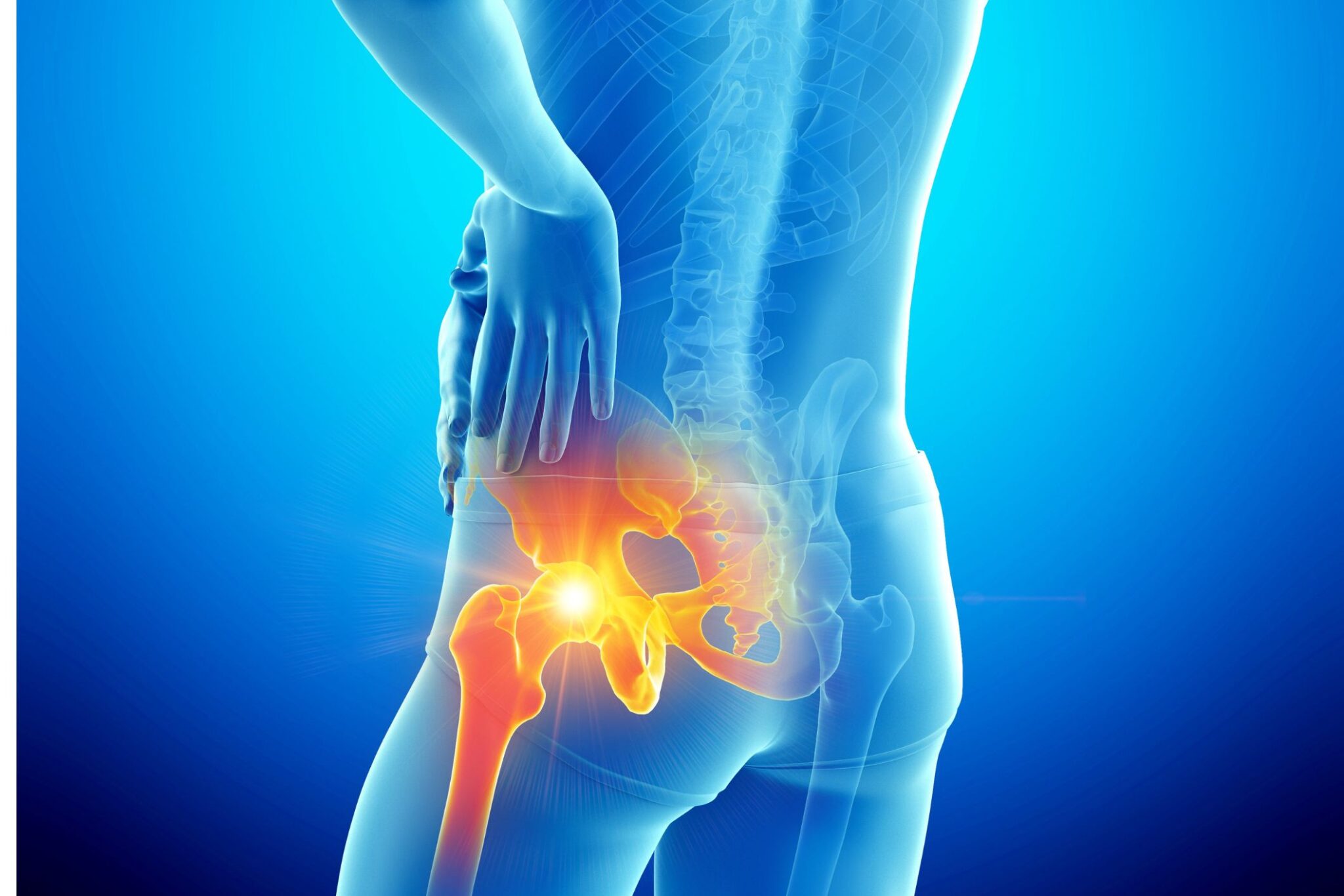
Hip Pain at Night: Causes and When to See a Specialist
Hip pain at night is a common and frustrating problem that can significantly affect sleep and quality of life. Many patients I see in my clinics across London and Kent report worsening pain when lying down, often leading to disturbed sleep and fatigue.
Understanding the cause of your symptoms is the first step towards effective treatment.
Why Is Hip Pain Worse at Night?
- Reduced distractions make pain more noticeable
- Inflammation increases when the body is at rest
- Direct pressure on the hip joint when lying on your side
- Muscle stiffness after a day of activity
Common Causes of Hip Pain at Night
Osteoarthritis
One of the most common causes, particularly in patients over 50. Pain is often felt in the groin or thigh and may worsen at night.
Greater Trochanteric Pain Syndrome
Pain on the outside of the hip, often worse when lying on that side.
Tendinopathy
Degeneration or overuse of tendons around the hip can lead to persistent discomfort.
Referred Pain from the Spine
Lower back issues can sometimes present as hip pain, particularly at night.
When Should You Be Concerned?
- Pain that wakes you from sleep
- Persistent pain despite rest or medication
- Increasing stiffness or reduced mobility
- Difficulty walking or performing daily activities
Treatment Options for Hip Pain
- Physiotherapy to improve strength and flexibility
- Anti-inflammatory medication
- Image-guided injections
- Surgical treatment such as hip replacement in advanced cases
When to See a Hip Specialist in London or Kent
If your symptoms are ongoing or affecting your quality of life, early specialist assessment can make a significant difference.
Mr Kam Cheema is a consultant hip and knee surgeon seeing patients in London and Kent, providing expert assessment and treatment for hip conditions.
Book a Consultation
If you are experiencing persistent hip pain at night, you can book a consultation for a detailed assessment and personalised treatment plan.
You can also learn more about hip replacement surgery and available treatment options.