


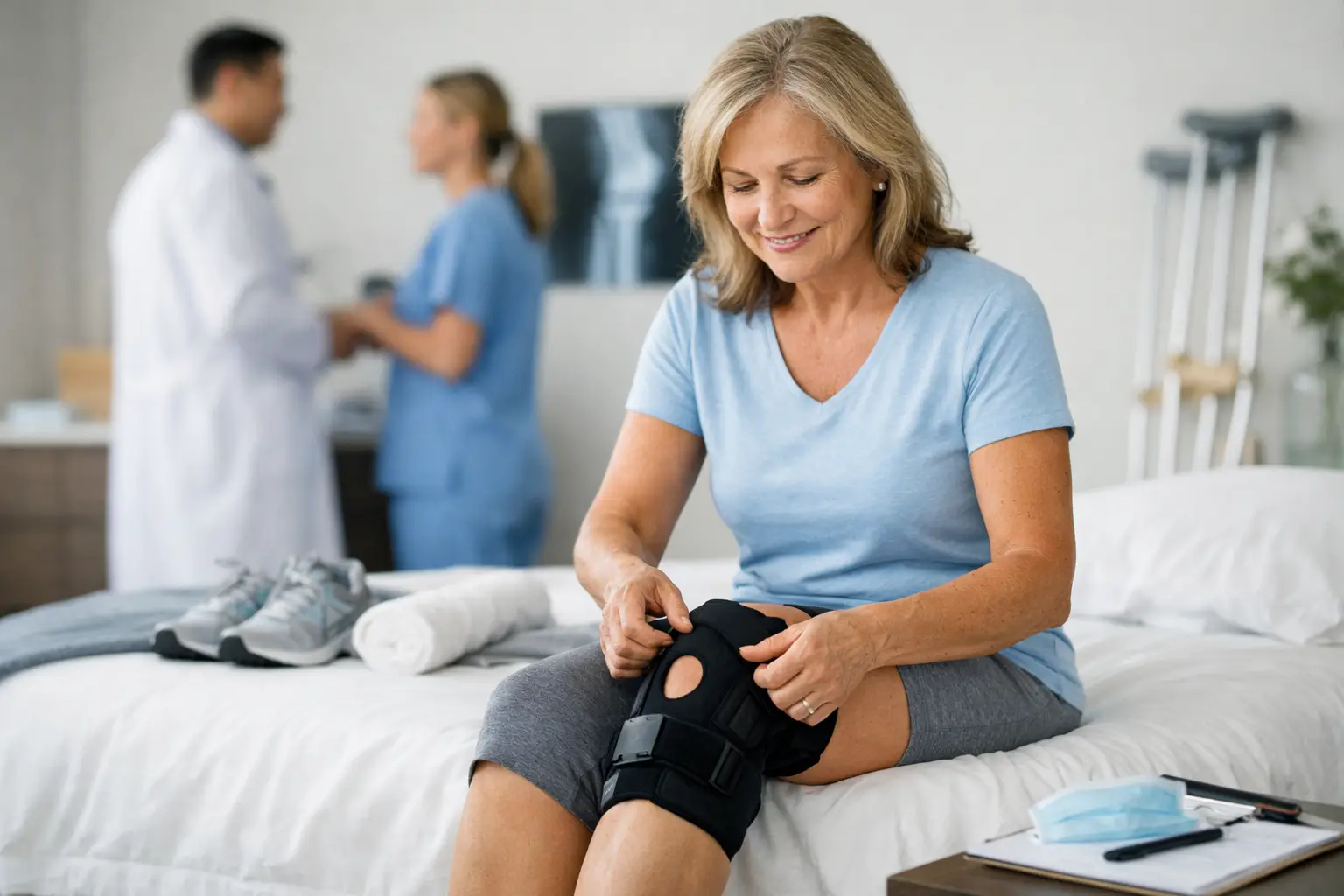
A successful knee operation begins well before the day of surgery. Understanding how to prepare for knee surgery can reduce avoidable stress, support a safer recovery and help you focus on the outcome that matters: less pain, better movement and a return to the activities that are currently difficult.
Preparation is not about trying to do everything perfectly. It is about making sensible arrangements, improving the factors within your control and knowing exactly what will happen next. Your surgeon, anaesthetist and clinical team will provide instructions tailored to your procedure, medical history and home circumstances. Those instructions should always take priority over general advice.
How to prepare for knee surgery: start with your care plan
Whether you are having a partial or total knee replacement, arthroscopy, ligament reconstruction or revision surgery, begin by making sure you understand why the procedure has been recommended and what it is designed to achieve. Knee surgery can be highly effective for carefully selected patients, but recovery takes commitment and outcomes vary according to the condition being treated, the operation required and your general health.
At your pre-operative assessment, discuss your symptoms, previous treatments, medical conditions, allergies and any earlier operations. This is also the right time to ask practical questions. How long is the expected hospital stay? When can you put weight through the leg? What pain relief will be used? When will physiotherapy begin? When might you return to driving, work or a particular sport?
Be open about what you hope to get back to. For one person, that may be walking the dog without stopping because of pain. For another, it may be managing stairs, caring for grandchildren or returning to a more active working life. Clear goals help your specialist advise realistically and plan your rehabilitation around the activities that matter to you.
Improve your health before the operation
The weeks before surgery are an opportunity to put your body in the best possible position for healing. You do not need to become exceptionally fit, but modest improvements can make a meaningful difference.
If movement is tolerable, continue with the exercises advised by your physiotherapist or surgical team. Strengthening the muscles around the hip and knee, maintaining range of movement and keeping the rest of your body active can make the early stages of rehabilitation more manageable. Low-impact options such as gentle cycling, swimming or upper-body exercise may be suitable for some people, but the right approach depends on your diagnosis and level of pain.
If you smoke, stopping before surgery is one of the most valuable changes you can make. Smoking can affect wound healing and increase the risk of complications. Reducing alcohol intake, eating regular balanced meals and staying well hydrated also support recovery. There is no need for restrictive diets unless your clinical team recommends one.
Weight can place additional load on an arthritic or painful knee, and gradual weight loss may be helpful for some patients. However, it is not always appropriate to delay necessary surgery solely to pursue a target weight. This should be an individual discussion, particularly where pain is severely limiting mobility or sleep.
Long-term conditions need careful attention. Tell your team if you have diabetes, high blood pressure, heart or lung disease, sleep apnoea, anaemia, kidney problems or a history of blood clots. Good diabetic control, for example, is particularly relevant to reducing infection risk. Your pre-operative assessment may include blood tests, an ECG, a swab test or other investigations depending on your health and the planned operation.
Review medicines and supplements early
Bring a complete, up-to-date list of everything you take to your assessment. Include prescribed medicines, inhalers, injections, painkillers, vitamins, herbal remedies and supplements. Do not assume that something bought without a prescription is irrelevant.
Some medicines need to be continued, while others may need to be paused or adjusted before surgery. This is especially important for anticoagulants and antiplatelet medicines, such as warfarin, apixaban, rivaroxaban, clopidogrel or aspirin. Never stop these medicines without specific advice from the clinician managing them. The balance between bleeding risk and clot risk is individual.
You should also ask which medicines to take on the morning of surgery and with how much water. Written instructions are helpful, particularly if you take several regular medicines.
Prepare your home for the first weeks of recovery
Most people can return home after knee surgery once they are medically ready and safe to mobilise, often with walking aids initially. A little preparation can make home feel safer and reduce the number of unnecessary trips up and down stairs.
Set up a comfortable, well-lit space where you can rest with your leg supported as advised. Keep your mobile phone, charger, water, medicines, reading material and remote controls within easy reach. Remove loose rugs, trailing cables and clutter from walking routes, and make sure the route from your bed to the bathroom is clear.
Consider where you will sleep and wash during the early recovery period. If your bedroom is upstairs, you may still be able to use it, provided you can manage stairs safely with the support and technique shown by physiotherapy. In other cases, a temporary downstairs arrangement may be more practical. A raised toilet seat, shower chair or handrails can be useful for some patients, but only obtain equipment recommended for your needs.
Plan meals in advance and stock the freezer with simple options. Arrange help with shopping, pets, children, laundry and transport where possible. Accepting support for a short period is not a loss of independence. It allows you to direct your energy towards walking, exercises, rest and healing.
Arrange support, transport and time away from driving
You will need someone to take you home after surgery and, depending on the procedure and your circumstances, it is sensible to have a relative or friend available during the first few days. They can help with meals, practical tasks and remembering post-operative instructions when you are tired or taking pain relief.
Driving should not be rushed. You must be able to control the vehicle safely, perform an emergency stop and be free from the effects of sedating medication. The timing varies according to whether the left or right knee has been operated on, the type of surgery, your progress and the vehicle you drive. Your insurer may also have requirements. Your surgical team can give guidance, but the final responsibility is to drive only when you are safe to do so.
If you work, speak to your employer before surgery. Desk-based roles may be possible sooner than physically demanding work, but there is no single timetable. Discuss a phased return or temporary adjustments if appropriate.
Know the plan for the day before and day of surgery
Your hospital will tell you when to stop eating and drinking before the operation. Follow these fasting instructions precisely. They are designed to make anaesthesia safer, and they may differ depending on the time of your admission and the medicines you take.
Shower or bathe as instructed, wear loose clothing and avoid shaving the operation area unless you have specifically been told to do so. Shaving can create small breaks in the skin that increase infection risk. Remove nail varnish if requested, and leave jewellery and valuables at home.
Pack essential items such as your medication list, any walking aids requested by the team, comfortable footwear with a secure back, glasses and case, hearing aids and charger, and loose clothes for going home. Bring your questions too. Feeling nervous is entirely normal, and a final conversation with your clinical team is an appropriate time to clarify anything that remains unclear.
Commit to rehabilitation, not just the operation
Surgery addresses the damaged or painful structure in the knee. Rehabilitation helps you regain confidence in using the joint. Early movement, guided exercises and pain management work together, particularly after knee replacement, where stiffness can become more difficult to address if exercises are avoided.
The first days can be uncomfortable, and progress is rarely a straight line. Swelling, tiredness and disturbed sleep are common in early recovery. Taking pain relief as prescribed can make it possible to move and complete exercises more effectively. Contact your clinical team promptly if you have concerns about worsening pain, wound problems, fever, calf pain, sudden breathlessness or any symptom you have been told requires urgent assessment.
Your follow-up appointments are part of the treatment, not an afterthought. They allow your recovery, wound healing, range of movement and function to be reviewed, with advice adjusted when needed.
Preparing carefully gives you a calmer starting point, but you do not have to manage the process alone. The right surgical plan, clear communication and steady rehabilitation can help turn a painful, restricted knee into a stronger foundation for everyday life.