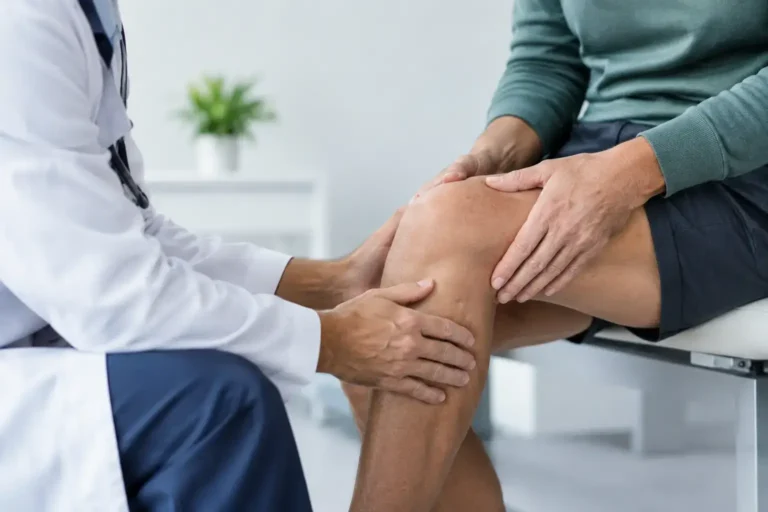


Persistent knee or hip pain can make even ordinary plans feel uncertain, whether that is climbing stairs, getting out of the car, walking the dog or returning to exercise. If you are asking what happens during PRP injection, you are likely weighing a treatment that uses your own blood components to support the body’s healing response. Knowing the process beforehand can make the appointment feel far more straightforward.
Platelet-rich plasma, usually shortened to PRP, is a non-operative treatment that may be considered for selected tendon, ligament, cartilage and joint-related problems. It is not a replacement for a careful diagnosis, physiotherapy, weight management where appropriate, or surgery when structural damage requires it. The right role for PRP depends on the source of your symptoms, the condition of the joint and what you want to get back to doing.
What happens during PRP injection treatment?
A PRP appointment usually has three parts: taking a small blood sample, concentrating the platelets in that sample, and injecting the prepared plasma into the planned treatment area. The clinical procedure itself is often completed within 30 to 60 minutes, although the consultation and preparation involved may make the visit longer.
The aim is to deliver a higher concentration of platelets to a specific area. Platelets are blood cells involved in clotting and tissue repair. They contain growth factors and signalling proteins that may influence inflammation and healing. PRP does not rebuild a severely worn joint surface or correct every mechanical problem, but it can be a useful option in the right circumstances.
Before the procedure: confirming the target
Your specialist will first confirm why PRP is being considered and whether it is suitable for you. This should include a discussion about your symptoms, previous treatment, medical history, medication and any relevant scans or X-rays. Hip and knee pain can arise from several structures, so precision begins with identifying the likely pain generator rather than simply treating the area that hurts.
You may be advised to avoid anti-inflammatory medicines for a period before and after treatment, as these can affect the inflammatory response PRP is intended to stimulate. Do not stop prescribed medication without specific medical advice. Blood-thinning medication, allergies, infection, a bleeding disorder and significant medical conditions should also be discussed in advance.
Some people are asked to arrive well hydrated and to eat normally unless they have been given different instructions. Faintness during a blood test is not uncommon, so mention this if it has happened to you before.
Taking and preparing the blood sample
A clinician takes blood from a vein in your arm, much like a routine blood test. The amount needed varies according to the system used and the area being treated. You may feel a brief sharp scratch as the needle enters, followed by mild pressure.
The blood sample is placed into a centrifuge, a machine that spins it at speed. This separates the blood into layers. The clinician then draws off the platelet-rich portion for injection. Different PRP systems can produce different platelet concentrations and white blood cell content, which is one reason outcomes reported in studies and between clinics are not always directly comparable.
While the sample is being prepared, the skin over the treatment area is cleaned carefully. The injection site may be marked, particularly when the intended target is small or deep within the joint.
The injection itself
The PRP is injected using a fine needle. For some hip and knee treatments, ultrasound guidance may be used to help place the needle accurately. This is especially valuable for deeper structures, such as around the hip, or where an injection needs to be directed towards a particular tendon, bursa or joint space.
You may feel pressure, a brief sting or a fuller ache as the PRP enters the tissue. Discomfort varies with the area being treated and the sensitivity of the inflamed tissue. Local anaesthetic is not always used because it may affect platelet activity, although your clinician will explain the approach recommended for your treatment.
Once the injection is complete, a small dressing is applied to the blood-test site and injection site if needed. You will normally rest briefly before going home. PRP is generally performed as an outpatient procedure, so an overnight hospital stay is not required.
What to expect after a PRP injection
It is common for the treated area to feel more sore, stiff or swollen for a few days. This can be unsettling, particularly if the joint had been relatively settled before the procedure, but a short-lived inflammatory response is often anticipated. Simple pain relief such as paracetamol may be appropriate for many people, subject to your individual medical advice.
For lower-limb injections, you may be asked to take things gently for the first 24 to 48 hours. The precise advice depends on where the PRP has been injected. A person treated for knee osteoarthritis may follow a different plan from someone receiving an injection for a tendon problem. Strenuous gym sessions, running, impact activity and heavy lifting are usually paused initially, then reintroduced in a planned way.
PRP is often most effective when it sits within a wider rehabilitation programme. Targeted physiotherapy can restore strength, movement control and confidence in the joint as symptoms settle. An injection can reduce a barrier to rehabilitation, but it cannot on its own correct weakness, poor mechanics or advanced joint damage.
Most people can return to desk-based work quickly, though this depends on discomfort and the joint treated. If your work involves prolonged standing, ladders, kneeling, driving for long periods or manual handling, you may need a more considered return. Arrange transport if advised, particularly after an injection around the hip or if you know discomfort may make driving unsuitable.
How long does PRP take to work?
PRP is not designed to provide the immediate numbing effect associated with a local anaesthetic or, in some cases, a steroid injection. Improvements are usually gradual. Some patients notice a change within several weeks, while others require longer, and some do not experience meaningful benefit.
The evidence for PRP differs between conditions. It may be considered for mild to moderate knee osteoarthritis or certain tendon conditions, but response is influenced by the extent of arthritis, the nature of the injury, activity demands, general health and rehabilitation. In advanced bone-on-bone arthritis, PRP may offer limited symptom relief and is unlikely to reverse the underlying joint wear. In those situations, other non-operative options or joint replacement may be more appropriate.
Depending on the diagnosis and response, a clinician may recommend one injection or a course of injections. This should be based on your individual assessment rather than a standard package. Honest advice includes recognising when PRP is unlikely to offer value.
Risks and when to seek advice
Because PRP is prepared from your own blood, allergic reactions to the plasma itself are uncommon. However, no injection is entirely without risk. Bruising, temporary pain flare, swelling and stiffness can occur. Infection is rare but potentially serious, and there is also a small risk of bleeding or injury to nearby structures.
Contact your treating team promptly if you develop increasing redness, heat, severe or worsening pain, fever, feeling unwell, marked swelling, new numbness or weakness, or any symptom that concerns you. Clear aftercare instructions and access to advice are part of safe treatment, not an afterthought.
Is PRP the right next step for your hip or knee?
The most useful question is not simply whether PRP is available, but whether it addresses the problem limiting your mobility. A specialist assessment can distinguish between pain that may respond to rehabilitation and injection treatment, and symptoms caused by damage that needs a different solution. This is particularly important after previous surgery, following a significant injury, or when pain is progressing despite sensible non-operative care.
A well-planned PRP injection should feel like one part of a clear treatment strategy: accurate diagnosis, precise delivery, realistic expectations and a rehabilitation plan focused on the activities that matter to you. The right decision is the one that gives you the best prospect of less pain and more confidence in everyday movement. I describe where PRP sits among the treatments I offer on my PRP and knee injections page. I compare PRP versus steroid injections for knee pain in a separate post.