


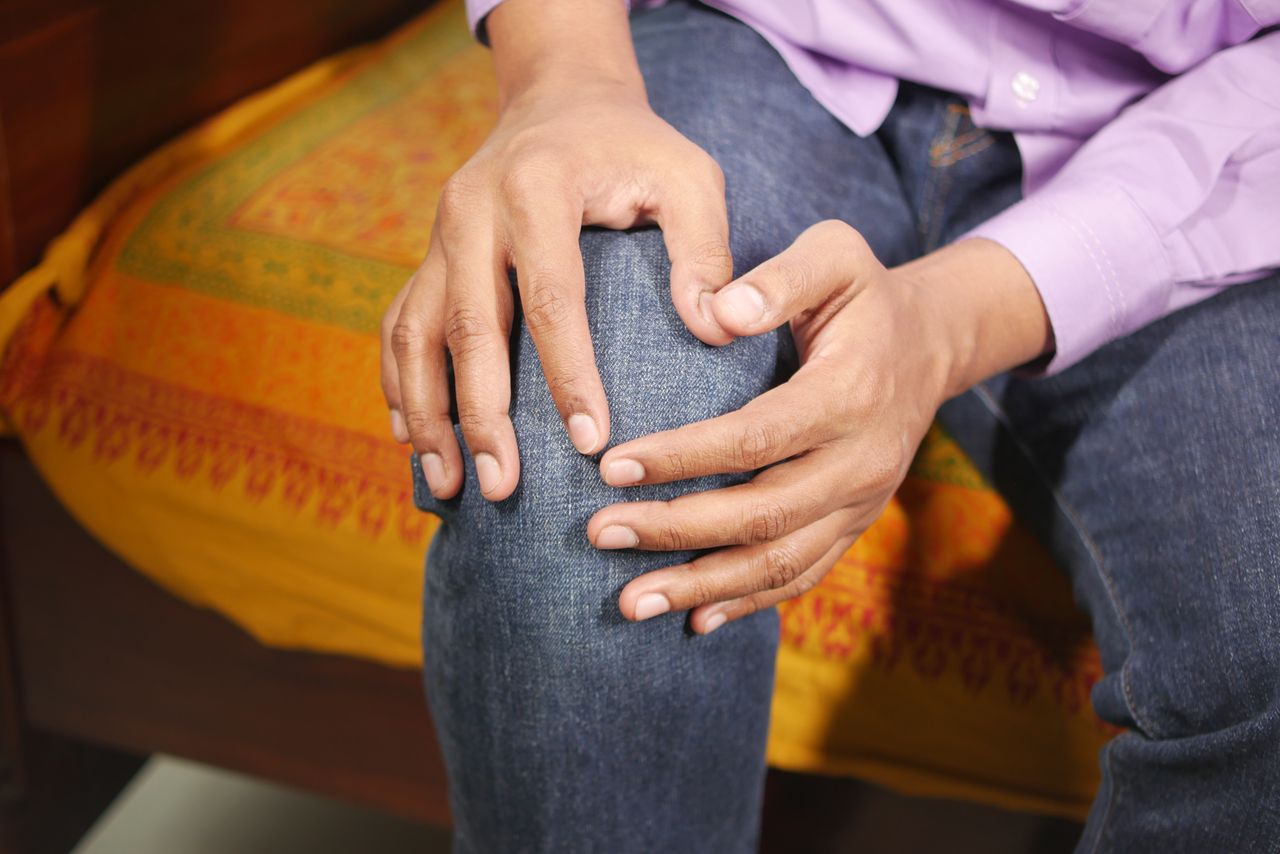
Everyday Signs Your Knees Are Holding You Back
Knee pain has a way of creeping into life bit by bit. Many people across Kent put it down to “just getting older” and carry on for years, even as walking, standing and sleeping become harder. It can feel easier to ignore the problem than to ask if something more serious is going on inside the joint.
We see every day that ordinary tasks tell an important story. Walking to the local shops, standing at the sink, getting on a train or kneeling in the garden can all reveal clues about how worn or damaged a knee has become. When these small struggles start to build up, it may be time to think about whether knee replacement in Kent could help you move more freely again.
A knee replacement is not simply an end-of-the-line decision. For many people it is a planned, positive step to regain independence, comfort and confidence. An expert assessment with Mr Kam Cheema can help you understand what is happening in your knees and what your realistic options are, both surgical and non-surgical.
When Walking and Stairs Become a Daily Struggle
One of the clearest everyday clues is how your knees cope with walking. You may notice that you:
- Feel increasing pain even with short walks, such as around the supermarket
- Need to stop and rest often on familiar routes that used to feel easy
- Avoid certain hills, parks or seafront paths because you worry you will not manage them
If you live in a town or village where walking is part of daily life, this gradual change can have a big impact. What starts as slight discomfort can turn into a real barrier to getting out of the house.
Stairs often tell an even stronger story. People commonly describe:
- Pulling on handrails more and more for support
- Going up or down one step at a time, leading with the better leg
- Avoiding stairs at train stations or public buildings whenever possible
These changes suggest that the joint no longer has the strength, range of movement or smooth surfaces it once had. If you find yourself planning routes around lifts or choosing seats on the ground floor whenever you can, your knees may be sending you a message.
Limping, wobbling or a feeling that your knee might suddenly give way can also be important warning signs. When the joint becomes unstable, non-surgical treatments are often less effective. This is a common stage where a specialist opinion can help you weigh up whether it is time to consider knee replacement in Kent.
Pain That Disrupts Sleep and Quiet Moments
Knee arthritis often starts as pain that appears when you are on your feet and eases when you rest. Over time, that pattern can flip. You might find that your knee aches or throbs even when you are sitting on the sofa or lying in bed.
Night-time symptoms may include:
- Being woken regularly by sharp or deep aching pain
- Struggling to find a comfortable position and swapping sides often
- Needing pillows under or between your knees to try to get some relief
Some people end up sleeping in a chair because straightening or bending the knee in bed is simply too painful. Broken sleep then leaves you tired and less able to cope with pain the next day, creating a difficult cycle.
Changes in weather can also play a part. Cooler evenings, damp days and sudden drops in temperature often make joints feel more stiff and sore. If your knee hurts even on quiet days, or flares badly after only a small amount of activity, this can be a sign that the arthritis has become more advanced.
When pain is present at rest, short-term measures like occasional painkillers or topical gels rarely provide reliable relief. At that stage, knee replacement in Kent may offer a more lasting way to calm the joint and improve everyday comfort.
Missing Out on the Kent Lifestyle You Enjoy
Knee problems are not just about pain, they are about the life you want to live. Many people start to notice they are saying “no” more often:
- Turning down coastal or countryside walks that involve uneven ground
- Sitting out of games and trips with grandchildren during school holidays
- Cutting back on gardening, golf or exercise classes they used to enjoy
- Leaving social events early because standing and chatting becomes too uncomfortable
You might begin to plan your day around where you can sit, or scan every venue for chairs and nearby parking. Friends and family may walk ahead without meaning to, while you hang back or decide to stay home instead.
The emotional impact of this can be significant. Frustration, loss of confidence and worry about the future are all very common. When we meet people to talk about their knees, we focus not only on X-rays and scans, but also on what they most want to get back to doing. With Mr Kam Cheema, any suggestion of knee replacement is linked to your personal goals, whether that is strolling along the seafront, tending a favourite border or simply moving around your home with less fear of pain.
When Other Treatments No Longer Make a Difference
Most people try several non-surgical treatments before thinking about an operation. These can be very helpful in the earlier stages of arthritis and often include:
- Physiotherapy to strengthen muscles and improve movement
- Weight management and activity changes to reduce load on the joint
- Pain relief tablets or gels used sensibly
- Injections to calm inflammation or ease symptoms for a period
Over time, though, you may notice that these options are not working as well as they used to. Everyday clues include:
- Needing stronger painkillers or taking them more often just to get through the day
- Relief from injections wearing off more quickly than before
- Physiotherapy exercises becoming too painful to complete, even when you try your best
When you have given conservative treatments a proper chance but your daily life is still limited, knee replacement in Kent becomes a planned, evidence-based option rather than a last resort. A thoughtful discussion of the likely benefits and possible risks, tailored to your health and lifestyle, is key. That way you can decide if surgery fits your priorities and timing.
How a Personalised Consultation Can Clarify Your Next Step
If you recognise several of these everyday signs, the next step is often a detailed, calm assessment. During a consultation with Mr Kam Cheema, you can expect:
- Time to describe your pain, stiffness and limitations in your own words
- A physical examination to understand how your knee moves and how stable it is
- A review of X-rays or scans to see the extent and pattern of joint damage
- Space to talk openly about your concerns, questions and expectations
We believe strongly in shared decision-making. That means looking together at all suitable options, not only knee replacement. In some cases, further non-surgical care or regenerative procedures may still be helpful. In others, it may become clear that surgery offers the best chance of returning to the activities that matter most to you.
The aim is not to push you towards a particular choice, but to give you clear, honest information so you can decide when and how to act. If your knees are affecting your walking, your sleep and the lifestyle you enjoy in Kent, a specialist opinion can be the first step towards moving with more comfort and confidence again.
Take The First Step Towards Confident, Comfortable Movement
If knee pain is limiting your daily life, we can help you understand whether a knee replacement in Kent is the right option for you. At Mr. Kam Cheema Hip and Knee Surgeon, we take time to listen, assess your situation carefully and explain every stage of treatment in clear terms. Arrange an appointment today by using our contact page so we can work together on a personalised plan to get you moving more comfortably again.