


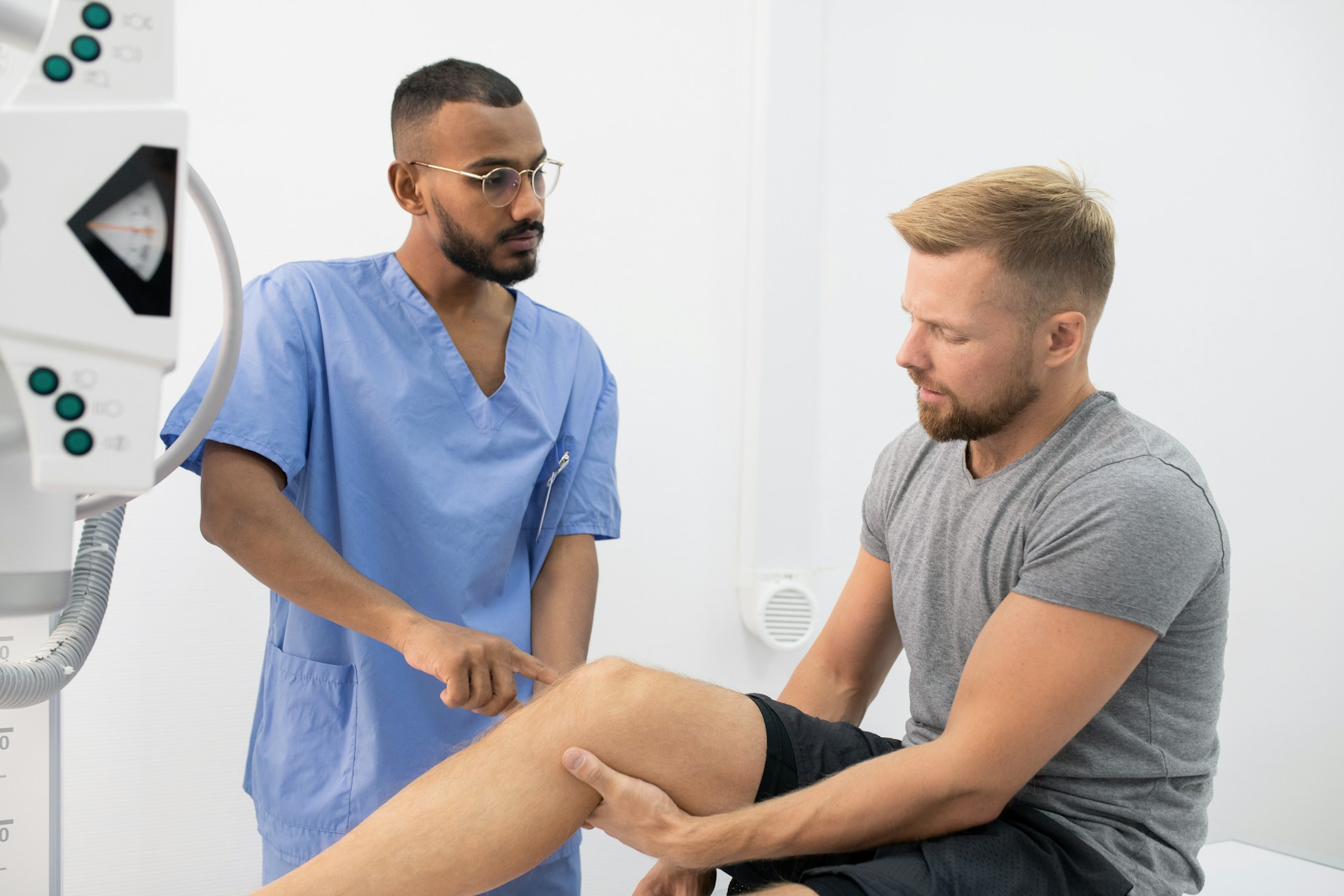
Walking Again After Knee Replacement
Walking after a knee replacement can feel strange at first. Your leg may feel heavy, your balance a bit off, and you might worry about every step. This is all very common. Walking is a big part of life, so it is natural to feel unsure about how and when things will feel normal again.
In this article, we will talk through what “normal” walking really looks like after a knee replacement, realistic timeframes, the usual milestones, and simple ways to build confidence. We will also look at when to ask for extra help, and how support with Mr Kam Cheema in London and Kent can guide you towards steady, comfortable movement again.
What “Normal” Walking Really Means
When people think of a new knee, they often picture perfect walking straight away. In real life, “normal” after knee replacement is more about comfort and function than perfection.
For most people, normal walking means being able to:
- Move safely around the house
- Walk to the local shops or nearby bus stop
- Enjoy short, steady outdoor walks
- Stand and walk enough to manage daily tasks
Everyone starts from a different place. Someone who loved long country walks before surgery will have a different idea of normal than someone who mainly walks indoors. Age, general fitness, and how bad the knee was before surgery all play a part.
It is also important to know that:
- A slight stiffness, especially first thing in the morning, can be very common
- You might still be aware of the joint, even when it does not hurt
- A tiny limp when you are tired does not always mean something is wrong
The real goal is to reduce pain, restore steady movement, and help you get back to the things that matter most to you, not to turn the knee into a superhero or “bionic” joint.
Typical Walking Milestones After Knee Replacement
Knee replacement recovery moves in stages. Progress is rarely a straight line, and that is normal.
In the hospital, often within the first day:
- You usually stand with help from the physiotherapy team
- You may take a few steps with a frame or crutches
- The focus is on safety, blood flow, and starting to move the new joint
Over the first six weeks at home:
- Most people use a frame or crutches, then move on to sticks
- Walking distances indoors grow bit by bit, from room to room
- Short, gentle outdoor walks often start with flat, familiar routes
- Rest and elevation are still important to manage swelling
Between three and six months:
- Strength and balance usually improve
- Many people phase out walking aids, or use a stick mainly outdoors
- Walking pattern becomes smoother and more even
- Gentle slopes, slightly uneven ground and longer outings become easier, especially as the weather allows for more regular walks
From six to twelve months:
- Walking generally feels more natural and less tiring
- You may manage longer walks in parks, town centres or coastal paths
- Low impact hobbies, such as gentle hiking or relaxed golf, may be possible with medical guidance
- Many people find they think less about the knee during everyday activities
These are broad guides, not strict rules. We always encourage people to focus on steady progress rather than matching a timetable.
How to Improve Your Walking Pattern Safely
A smooth, confident walking pattern does not just appear, it is something you build with practice and the right support. A key part of this is a tailored physiotherapy plan.
Strengthening the muscles around the knee and hip helps to:
- Support the new joint
- Improve balance
- Reduce limping
- Make each step feel more secure
Useful practical tips include:
- Take several shorter walks instead of one very long one
- Wear supportive, flat shoes with a good grip
- Use sticks or frames exactly as your physiotherapist shows you
- Walk at your own pace, not to keep up with others
Common gait issues after knee replacement include limping, keeping the operated knee too straight, or putting more weight through the other leg. Simple cues, such as thinking “heel, then toe” with each step, relaxing the shoulders, and looking ahead rather than at the floor, can help reset your pattern.
Listening to your knee is important. Normal post-operative discomfort often feels like a dull ache or tiredness that eases with rest, ice and elevation. Pain that becomes sharper, increases with every walk, or is linked with marked swelling might mean you are doing too much and should slow down and seek advice.
When Walking Feels Harder Than You Expected
Not everyone’s recovery feels smooth. Some people find walking harder than they thought it would be, even a few weeks after surgery. That does not mean the operation has failed.
Signs that you may need extra review include:
- Persistent strong pain that does not settle with rest or simple pain relief
- Significant swelling that stays the same or keeps getting worse
- A limp that is getting more obvious rather than less
- Feeling unsteady or afraid of falling when you walk
Setbacks can happen for many reasons, such as stiffness, scar tissue, weak muscles, or other health problems like back or hip issues. An early check with your orthopaedic team can often pick up what is going on and suggest changes, such as more targeted physiotherapy or further tests if needed.
Keeping a simple diary can be very helpful. You might note:
- How far or how long you walked
- What kind of surface you were on
- How the knee felt during and after
- Any swelling or stiffness later in the day
Sharing this with Mr Kam Cheema during follow-up appointments can give a clear picture of how your knee is coping and where your plan might need adjusting.
Planning Your Return to Everyday and Seasonal Activities
Once the early recovery stage has passed, many people start to think about the things they want to enjoy again, especially as days get lighter and drier. This might be a walk around a local park, a family barbecue where you are on your feet more, or a day out by the sea or in the city.
To build up towards these, it can help to:
- Plan rest stops and places to sit in advance
- Choose flatter routes first, adding small slopes later
- Check the terrain, avoiding long, steep hills or very uneven paths early on
- Gradually increase your walking time in the weeks before an event
For activities like gentle hiking, golf, or light travel, many people can return in stages over a few months, always guided by how the knee feels and the advice of the surgical and physiotherapy team. The key is pacing, not rushing.
Setting small, personal goals can keep motivation high, for example:
- Walking once around your local park without stopping
- Standing to cook a simple meal without extra pain
- Joining a family outing and feeling confident on your feet
Each goal you reach is a sign that your new knee is helping you regain the freedom you have been missing.
Taking Confident Steps Towards Your New Normal
Walking after knee replacement is not about perfect strides or keeping up with anyone else. It is about you feeling more comfortable, more stable, and more able to enjoy everyday life again. Some stiffness or joint awareness is very common, but many people find that pain is much lower and activity is far more manageable than before surgery.
Staying engaged with your recovery makes a real difference. Attending follow-up appointments, asking questions, and working closely with your physiotherapist and with Mr Kam Cheema can help shape realistic, personal walking goals that suit your life. With the right support, steady practice, and a bit of patience, most people find that each week brings a little more confidence and a little more freedom on their feet.
Take The Next Step Towards Confident, Pain-Free Movement
If knee pain is limiting your daily life, we are here at Mr Kam Cheema Hip & Knee Surgeon to guide you through your options with clarity and care. Discover how a personalised knee replacement plan can help restore your mobility and confidence. If you are ready to discuss your symptoms, goals and concerns in more detail, please contact us to arrange an appointment.