


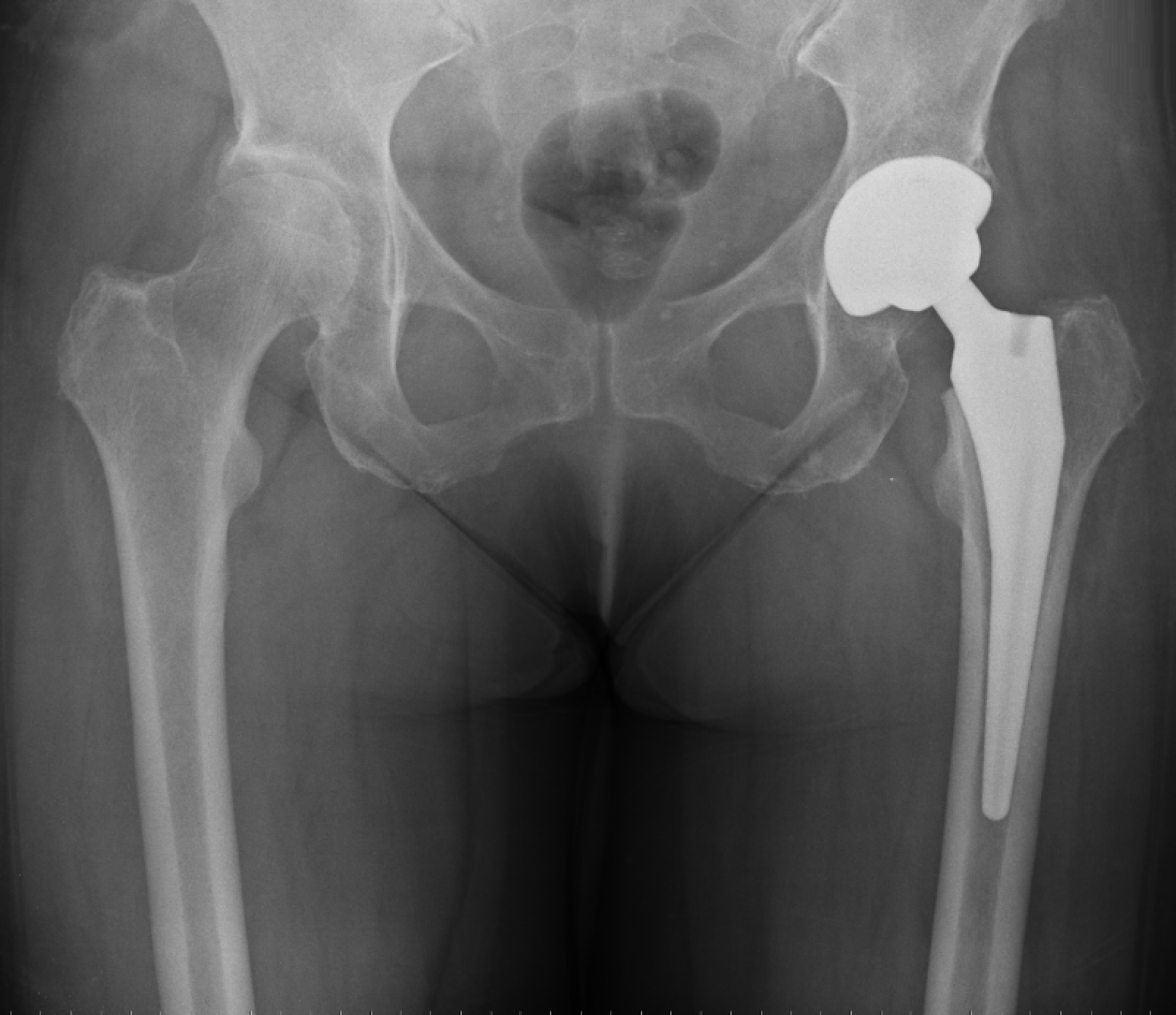
If hip pain is affecting your mobility, sleep, or quality of life, private total hip replacement surgery in London or Kent can offer rapid access to specialist, consultant-led care and excellent long-term outcomes.
A total hip replacement is one of the most successful operations in modern orthopaedics. Understanding the process, recovery, and expectations beforehand helps patients achieve the best possible result.
1. Surgery Is Based on Symptoms, Not Just X-rays
The decision to proceed with hip replacement is driven by pain and loss of function, not imaging alone. Key symptoms include:
Persistent groin or thigh pain
Difficulty walking or standing
Night pain affecting sleep
Failure of physiotherapy or injections
Some patients have severe X-ray changes with minimal pain, while others experience disabling symptoms despite moderate arthritis.
2. Hip Replacement Is Not Just for the Elderly
Private hip replacement in London and Kent is increasingly performed in active patients in their 40s, 50s, and 60s.
Earlier surgery may be appropriate for:
Hip dysplasia
Avascular necrosis
Post-traumatic arthritis
Modern implants are designed to last 20–25 years or longer, even in active individuals.
3. Hip Replacement Surgery Is Highly Personalised
There is no “standard” hip replacement. A specialist hip surgeon will tailor:
Implant design
Fixation method (cemented, uncemented, or hybrid)
Bearing surface (ceramic, polyethylene, metal)
This individualised approach is a key advantage of private hip surgery.
4. Private Hip Surgery Offers Faster Access and Continuity
Choosing a private hip and knee surgeon in London or Kent offers:
Short waiting times
Surgery scheduled around your commitments
Consultant-led care from consultation through follow-up
Personalised rehabilitation and recovery plans
Continuity of care improves patient confidence and outcomes.
5. Hospital Stay Is Usually Short
Most patients stay in hospital for:
1–2 nights privately
Occasionally same-day discharge in selected cases
You will usually stand and walk on the day of surgery or the following morning with physiotherapy support.
6. Recovery Is Predictable and Structured
Recovery follows clear stages:
0–6 weeks: walking aids, physiotherapy, improving mobility
6–12 weeks: walking independently, driving (if safe)
3–6 months: return to low-impact activities
Up to 12 months: continued improvement in strength and confidence
Pain relief often occurs early; muscle recovery continues over time.
7. Physiotherapy Is Essential for a Good Outcome
Hip replacement replaces the joint—but rehabilitation restores function.
Physiotherapy helps:
Improve walking pattern
Restore strength and balance
Reduce limping
Speed return to normal activity
Private care typically provides one-to-one, goal-focused physiotherapy.
8. Hip Replacement Is Very Safe, but Risks Exist
Total hip replacement is a safe procedure with a low complication rate. Potential risks include:
Infection
Blood clots
Dislocation
Leg length difference
Implant wear or loosening over time
These risks are minimised with experienced surgeons and modern techniques.
9. Modern Hip Replacements Are Long-Lasting
More than 90% of hip replacements last 15–20 years, and many last significantly longer.
Longevity depends on:
Implant choice
Activity level
Body weight
Overall health
Your surgeon will advise on activities that protect your new hip.
10. The Aim Is a Pain-Free, Active Life
The goal of total hip replacement is to help you:
Walk comfortably without pain
Sleep through the night
Travel confidently
Return to activities such as walking, cycling, swimming, and golf
Most patients report a dramatic improvement in quality of life.
Final Thought
A total hip replacement is a life-changing operation when performed for the right reasons, with the right surgeon, and supported by structured rehabilitation.
With consultant-led care, modern implants, and personalised recovery pathways, private hip replacement in London and Kent offers excellent outcomes and a reliable return to an active lifestyle.