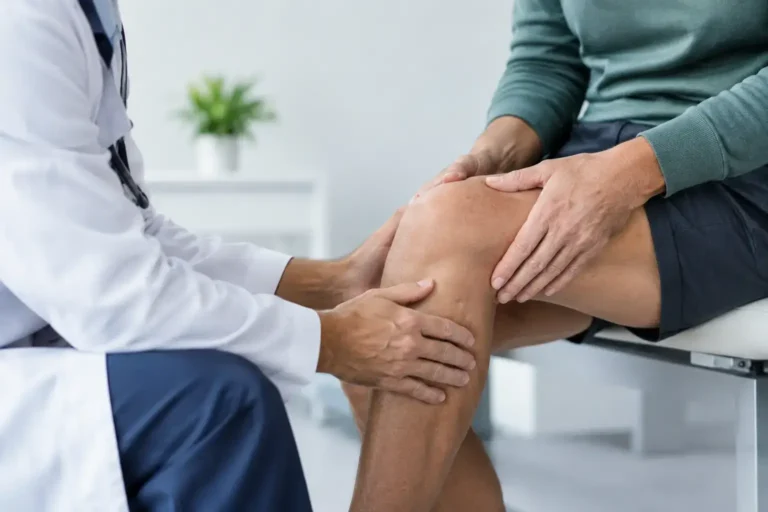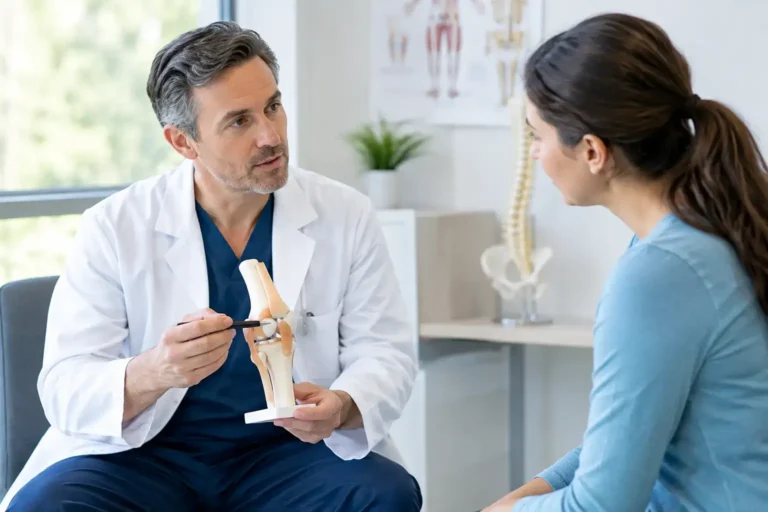


The most meaningful partial knee replacement patient story is rarely about an X-ray alone. It is about the moment knee pain begins to dictate everyday choices: avoiding the stairs, turning down a walk with family, planning every journey around a place to sit, or waking at night because a familiar position has become uncomfortable.
The following representative story reflects a common journey for patients with arthritis affecting one part of the knee. Every knee, lifestyle and recovery is different, but it shows how careful assessment, realistic expectations and expert follow-up can help someone make a confident decision.
When knee pain became the centre of the day
James, a 62-year-old business owner, had always stayed active. He enjoyed weekend walks, occasional rounds of golf and being able to keep up with his grandchildren. For several years, though, pain on the inner side of his right knee had been steadily worsening.
At first, he managed with anti-inflammatory medication, activity modification and physiotherapy. These measures helped for a while, but the relief did not last. Walking down hills was particularly difficult, and he began to notice a limp after even short distances. His sleep was increasingly interrupted by aching pain.
What concerned James most was not simply the discomfort. It was the loss of confidence in his knee. He had started declining invitations and delaying practical tasks because he was unsure how far he could walk or whether his knee would give way.
A partial knee replacement patient story starts with the right diagnosis
At consultation, the aim was not to rush towards surgery. A detailed discussion covered where James felt pain, how it affected his work and home life, what treatments he had already tried, and the activities he hoped to return to.
Examination and weight-bearing X-rays showed that arthritis was largely confined to the medial compartment – the inner section of the knee. The other parts of the joint were relatively well preserved, and the knee ligaments appeared stable. This distinction mattered.
A partial knee replacement, also known as unicompartmental knee replacement, replaces only the damaged part of the knee. It preserves healthy bone, cartilage and ligaments where possible. For the right patient, this can offer a more natural-feeling knee and a quicker early recovery than total knee replacement.
However, it is not automatically the best option for every person with knee arthritis. If arthritis affects more than one compartment, there is marked deformity, or the ligaments are not functioning well, a total knee replacement may be more suitable. Previous operations, inflammatory arthritis, general health and expectations also need careful consideration.
For James, the decision rested on more than a scan. His symptoms matched the area of joint damage, non-operative treatment was no longer giving reliable relief, and he wanted to remain active. The potential benefits and limitations were discussed openly, including the possibility that arthritis could progress elsewhere in the knee in future.
Preparing for surgery with realistic expectations
James chose to proceed with partial knee replacement after taking time to consider his options. Before surgery, he completed pre-operative health checks and received clear guidance on medication, exercises, mobility aids and what support he would need at home.
This preparation is often underestimated. Recovery is usually more manageable when patients know what is normal and have arranged practical help for the first few days. A raised chair, easy-to-prepare meals and someone available to assist with shopping can make a genuine difference.
He was also reminded that surgery is not an instant return to normality. The purpose of joint replacement is to reduce pain and improve function, but swelling, stiffness and fatigue are expected in the early weeks. Progress is rarely identical from one day to the next.
The first weeks after partial knee replacement
Following surgery, James began mobilisation with the physiotherapy team, using walking aids initially. Early movement helps restore confidence and range of motion, while exercises build strength in the muscles supporting the knee.
His first fortnight was demanding. He had discomfort, swelling and bruising around the knee, especially later in the day. Getting comfortable at night took patience. He found that elevating the leg as advised, using prescribed pain relief appropriately and completing his exercises little and often helped him manage the early stage.
By the second week, he was walking short distances around the house more easily. By the fourth week, he had moved from two crutches to one and was beginning to take gentle outdoor walks. These milestones were encouraging, but follow-up conversations also reinforced that he should not judge recovery solely by the speed of progress.
Some patients recover faster and some need longer, particularly if their knee was very stiff before surgery or if they have other health conditions. The important measures are a steady improvement in pain, movement, wound healing and confidence, alongside prompt review of any concerns.
Regaining movement, not chasing a deadline
At around six weeks, James was increasingly comfortable walking on level ground and had returned to short periods of desk-based work. His focus shifted from simply getting around to rebuilding endurance, balance and strength.
Physiotherapy remained an important part of the process. The exercises were not glamorous, but they were purposeful: improving knee bend and straightening, strengthening the quadriceps and hips, and helping him walk without compensating through his back or the opposite leg.
By three months, he could walk for longer without the familiar inner-knee pain that had limited him for years. He had returned to driving once he could safely control the vehicle and perform an emergency stop. He was also beginning to enjoy golf again, initially with shorter sessions and sensible pacing.
The result he valued most was not a particular number of degrees of knee bend. It was being able to make plans without first calculating how much pain they might cause.
What this story does – and does not – promise
A successful partial knee replacement can be life-changing for appropriately selected patients, but it is still major surgery. There are recognised risks, including infection, blood clots, stiffness, ongoing pain, fracture and the need for further surgery. In some cases, a partial replacement may later need converting to a total knee replacement if arthritis develops in another part of the joint or the implant wears or loosens.
That is why specialist assessment matters. The best operation is not necessarily the smallest operation. It is the procedure that most accurately addresses the source of pain while supporting durable function.
For people considering treatment in London or Kent, the value of a consultation lies in receiving an honest opinion about whether a partial replacement is appropriate at all. Some patients will be better served by targeted injections, physiotherapy, activity adjustment, arthroscopy in selected circumstances, or a total knee replacement.
The outcome that mattered to James
At his later follow-up, James described his knee as something he no longer thought about constantly. He could manage stairs with far less difficulty, walk with his grandchildren and return to the routines that had gradually slipped away.
His outcome was built on careful selection, precise surgical planning and his commitment to rehabilitation. It was not about having a “perfect” knee. It was about having a knee that allowed him to participate in his own life again.
If persistent knee pain is narrowing what you can do, a specialist assessment can provide clarity. Whether the right next step is non-operative care, partial knee replacement or another treatment, the goal should remain the same: less pain, greater mobility and the confidence to return to what matters to you. The operation in this story is described more fully on my unicompartmental (partial) knee replacement page.