


Choosing Knee Injections Before Surgery
Knee pain can make even simple things like walking to the shops or climbing stairs feel like hard work. When that pain keeps going, people often worry that a knee replacement is the only answer. For some, that is the right step, but there are also regenerative options that may help delay or avoid surgery.
One of these options is platelet-rich plasma, often called PRP. This treatment uses a small sample of your own blood, prepared in a special way, then injected into the knee. The idea is to support the body’s natural repair processes and improve how the joint feels and moves over time.
This guide is for people with knee osteoarthritis, early cartilage wear, or ongoing pain after minor injuries. If you are wondering whether PRP injection knee treatment in London could help you stay active, we will walk through how it works, who it may suit, and how it compares with surgery with Mr Kam Cheema.
How PRP Knee Injections Work Inside the Joint
PRP starts in a very simple way, with a standard blood draw from your arm, similar to what you might have for routine tests. That blood is then placed into a machine called a centrifuge. The centrifuge spins the blood at high speed so the parts separate into layers.
From these layers, the portion rich in platelets is collected. Platelets are tiny cells in the blood that are involved in clotting and healing. They contain many growth factors, which are natural proteins linked with tissue repair and the control of inflammation.
During the injection:
- The skin around the knee is cleaned
- The area is usually numbed with local anaesthetic
- The PRP is injected into the knee, often using imaging guidance for accuracy
Inside the joint, the growth factors in PRP are thought to help by calming inflammation, supporting the health of the joint lining, and improving the environment around the cartilage. This is different from steroid injections, which focus mainly on short-term pain relief. Steroids can reduce inflammation quickly but may wear off after a limited time. PRP often works more slowly, with potential benefits that build over weeks rather than days, and the aim is not simply to mask pain, but to support the body’s own repair processes.
Are You a Good Candidate for PRP Knee Treatment?
PRP is not suitable for every knee problem, but it can be considered for a range of conditions where the joint is worn but not completely destroyed. These include:
- Mild to moderate knee osteoarthritis
- Early cartilage wear and tear from sport or physical work
- Persistent ache or swelling after a minor knee injury
- Pain that limits walking, stairs, sport or daily chores
Whether PRP is right for you will depend on several factors, such as:
- How severe the joint damage is on X-ray or MRI
- Your age and general health
- How active you would like to be, now and in the future
- What you have already tried, such as physiotherapy, weight management or pain tablets
If the joint is very badly worn, with bone rubbing directly on bone, or if the knee is badly deformed or very unstable, then surgery may give more reliable relief. For some people a partial or total knee replacement is the best way to regain function and reduce pain to a level that allows normal life again. PRP is not a cure for arthritis and it cannot rebuild a completely destroyed joint, so it is important to have an honest discussion about what it can and cannot do.
What to Expect From PRP Injection Knee Treatment in London
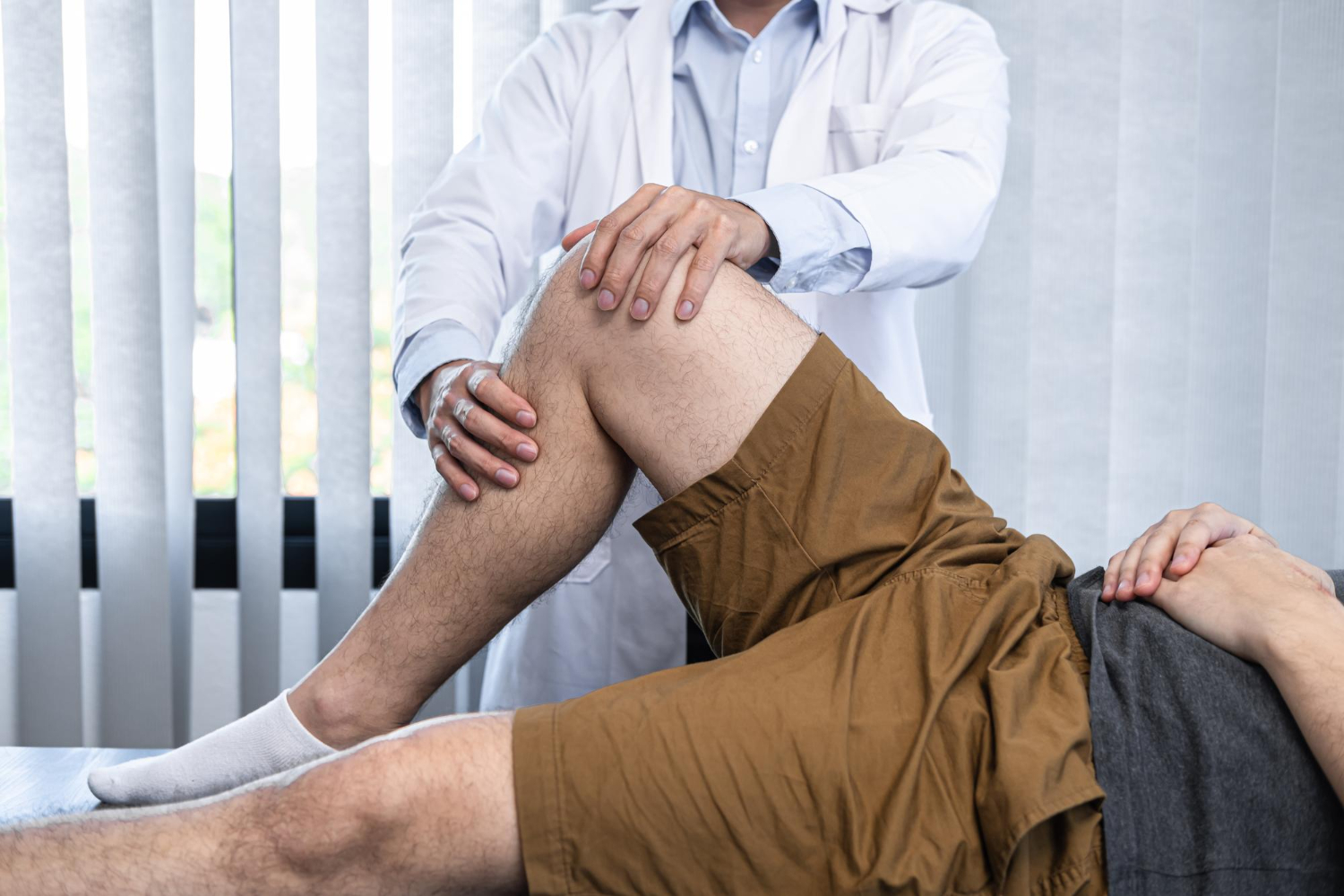
If you are thinking about PRP injection knee treatment in London with Mr Kam Cheema, the first step is a careful assessment. This usually includes a detailed conversation about your symptoms, a physical examination of the knee, and a review of any existing X-rays, MRI scans or previous reports. Together, you discuss your goals, concerns, and whether PRP fits logically into your treatment plan.
On the day of the injection, the visit is usually quite short. The blood sample is taken, processed in the centrifuge, and then prepared for injection. During the injection you may feel some pressure or a brief sharp sensation, but this often settles quickly. Many people can walk out of the clinic after a short rest. Whether you can drive yourself home depends on which leg is treated and how comfortable you feel, so this is planned in advance.
After PRP, it is common to have:
- Some ache or stiffness for a few days
- Advice to avoid heavy impact exercise for a short period
- A gradual return to normal activities as comfort allows
Improvements, if they occur, often appear over several weeks. Some people notice earlier change, others find it more gradual. Physiotherapy, simple strengthening exercises and sensible activity choices can all play a part in getting the best from the injection. The length of benefit varies from person to person. Some may feel better for a season, while others may enjoy improvement for longer before considering any further treatment.
Comparing PRP Injections and Knee Surgery Decisions
Knee treatment usually follows a path, starting with the simplest measures and moving towards more involved options only when needed. Common steps include:
- Activity changes and weight management
- Physiotherapy and home exercises
- Simple pain tablets or anti-inflammatory medication
- Braces, walking aids or supportive footwear
- Injection treatments such as PRP or other options
- Surgical procedures, including arthroscopy or joint replacement
PRP often sits in the middle of this pathway. It can be a helpful option if you have tried the basics without enough relief but are not yet ready, or not clearly suited, to a knee replacement. For some, it may delay the need for major surgery, help preserve their own joint tissue for longer, and allow them to stay active through the warmer months with less disruption.
A consultant hip and knee surgeon will look at both sides of the equation with you: the likely benefit of PRP versus the expected results of surgery. Together you can weigh up pain levels, recovery time, long-term outlook and how each option fits with your lifestyle, work, sport and family plans.
Planning Your Next Steps Towards Easier Movement
When you are weighing up PRP and surgery, it helps to pause and think about what you really want from your knee. That might be walking holidays without constant aching, being able to kneel in the garden, or simply getting up from a chair without a sharp pain. Being clear about these goals can guide which treatments make the most sense.
Before you meet with Mr Kam Cheema, it can be useful to:
- Note down when your pain is worst and what triggers it
- Gather any previous knee scans or operation notes
- Think about how quickly you would like to return to key activities
- Prepare questions about PRP, other injections, and surgical choices
With this information, you can have a focused, calm discussion about whether regenerative knee injections, continued non-surgical care, or a form of knee surgery is the safest and most realistic way forward for you.
Take The Next Step Towards Easier, More Comfortable Movement
If knee pain is limiting what you can do day to day, our team at Mr Kam Cheema Hip & Knee Surgeon is here to help you explore evidence-based options tailored to your needs. Learn how our PRP injection knee treatment in London may support your recovery and help you stay active for longer. To discuss your symptoms and suitability in more detail, please contact us to arrange a consultation.