

If knee pain, swelling, locking, or instability is affecting your daily activities, private knee arthroscopy in London or Kent can offer rapid diagnosis, minimally invasive treatment, and a swift return to function.
Knee arthroscopy is a keyhole surgical procedure used to diagnose and treat a range of knee problems. Understanding when it helps—and when it doesn’t—is essential to achieving the best outcome.
1. Knee Arthroscopy Is Minimally Invasive
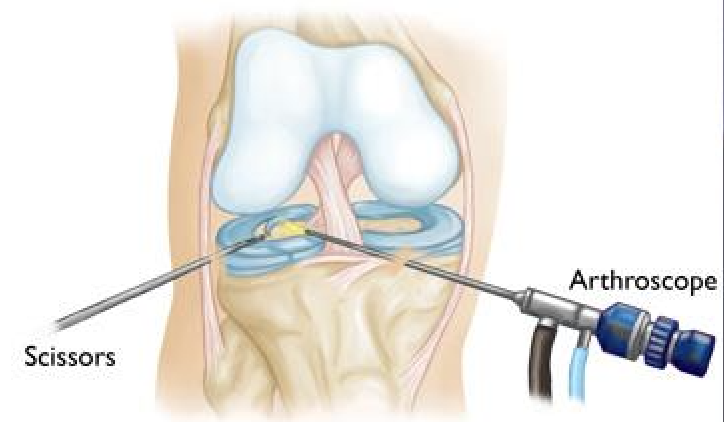
Knee arthroscopy is performed through small keyhole incisions using a camera and specialised instruments. This allows accurate diagnosis and treatment while minimising:
Tissue damage
Post-operative pain
Recovery time
Most procedures are performed as day-case surgery.
2. It Is Not a Treatment for All Knee Pain
Arthroscopy is most effective for specific mechanical problems, not generalized wear-and-tear arthritis.
It is most helpful for:
Meniscal (cartilage) tears causing locking or catching
Loose bodies within the knee
Mechanical symptoms after injury
Selected cartilage injuries
It is not usually beneficial for isolated knee osteoarthritis without mechanical symptoms.
3. Careful Patient Selection Is Crucial
A good outcome depends on choosing the right patients for the right reasons.
Before recommending surgery, your surgeon will assess:
Symptoms and functional limitation
MRI findings
Knee alignment and stability
Previous treatments such as physiotherapy or injections
This personalised assessment is a key advantage of private knee arthroscopy.
4. Private Surgery Offers Faster Diagnosis and Treatment
Choosing a private knee surgeon in London or Kent allows:
Rapid access to MRI scanning
Early specialist assessment
Surgery without prolonged waiting times
Consultant-led care throughout
This is particularly important for patients wishing to return quickly to work or sport.
5. The Procedure Is Usually a Day Case
Most knee arthroscopies involve:
Same-day admission and discharge
Surgery lasting 20–45 minutes
Immediate weight-bearing in most cases
You will usually walk out of hospital on the same day.
6. Recovery Is Generally Quick—but Variable
Recovery depends on what is found and treated during surgery.
Typical recovery milestones:
1–2 weeks: swelling settles, return to light activities
2–6 weeks: return to driving and desk work
6–12 weeks: return to sport or higher-impact activity
Meniscal repair (stitching) requires a longer and more protected recovery than trimming.
7. Physiotherapy Improves Outcomes
Although recovery is quicker than joint replacement, physiotherapy remains important to:
Reduce swelling
Restore movement
Improve strength and control
Reduce risk of recurrence
Structured rehabilitation leads to faster and more reliable recovery.
8. Risks Are Low but Still Present
Knee arthroscopy is very safe, but possible risks include:
Infection
Blood clots
Persistent pain or swelling
Incomplete symptom relief
These risks are low, particularly when surgery is performed by an experienced knee surgeon.
9. Arthroscopy Does Not Prevent Future Arthritis
While arthroscopy can relieve symptoms, it does not stop the progression of arthritis if degenerative changes are present.
In some cases, it is used to:
Improve symptoms
Delay more major surgery
Clarify diagnosis
Your surgeon will explain realistic expectations clearly beforehand.
10. The Aim Is Symptom Relief and Function
The goal of knee arthroscopy is to:
Reduce pain and swelling
Eliminate locking or catching
Improve confidence and movement
Enable return to work and sport
Most patients experience significant improvement when surgery is used for the right indication.
Final Thought
Knee arthroscopy is a valuable and effective procedure when performed for clearly defined mechanical knee problems. Careful assessment, appropriate imaging, and expert surgical judgement are essential to achieving good outcomes.
With rapid access to imaging, consultant-led care, and personalised rehabilitation, private knee arthroscopy in London and Kent offers efficient treatment and a swift return to activity.