

Regain Confident Movement with a Targeted Knee Solution
Knee pain can make even simple things feel like hard work. Walking the North Downs, strolling along the Kent coast, playing a round of golf, or keeping up with family in the park all become less enjoyable when every step aches. Many active people reach a point where they feel too sporty to stop, yet too uncomfortable to carry on as they are.
Partial knee replacement can help bridge this gap for the right person. Instead of replacing the whole joint, this option focuses on the damaged part of the knee while keeping as much natural structure as possible. With the right assessment and careful planning, it can help you move with more confidence again and get back to the everyday and sporting activities you enjoy in and around Kent.
What a Partial Knee Replacement Actually Involves
A partial knee replacement focuses on one area of wear in the knee. The knee has three main compartments, the inner side, the outer side and the area behind the kneecap. In a partial replacement, only the damaged compartment is resurfaced, and the healthy areas are preserved.
In simple terms, the operation usually involves:
- Removing the thin, damaged layer of bone and cartilage from the worn compartment
- Shaping that area to fit smooth metal and plastic implant surfaces
- Preserving the healthy ligaments so they can keep guiding the knee
- Closing the smaller incision and starting early movement with guidance
This is different from a total knee replacement, where all three compartments are addressed and a larger part of the joint surface is replaced. Because partial surgery is more selective, many people find the knee can feel more natural, with the normal ligaments still working and more of their own bone and cartilage left in place.
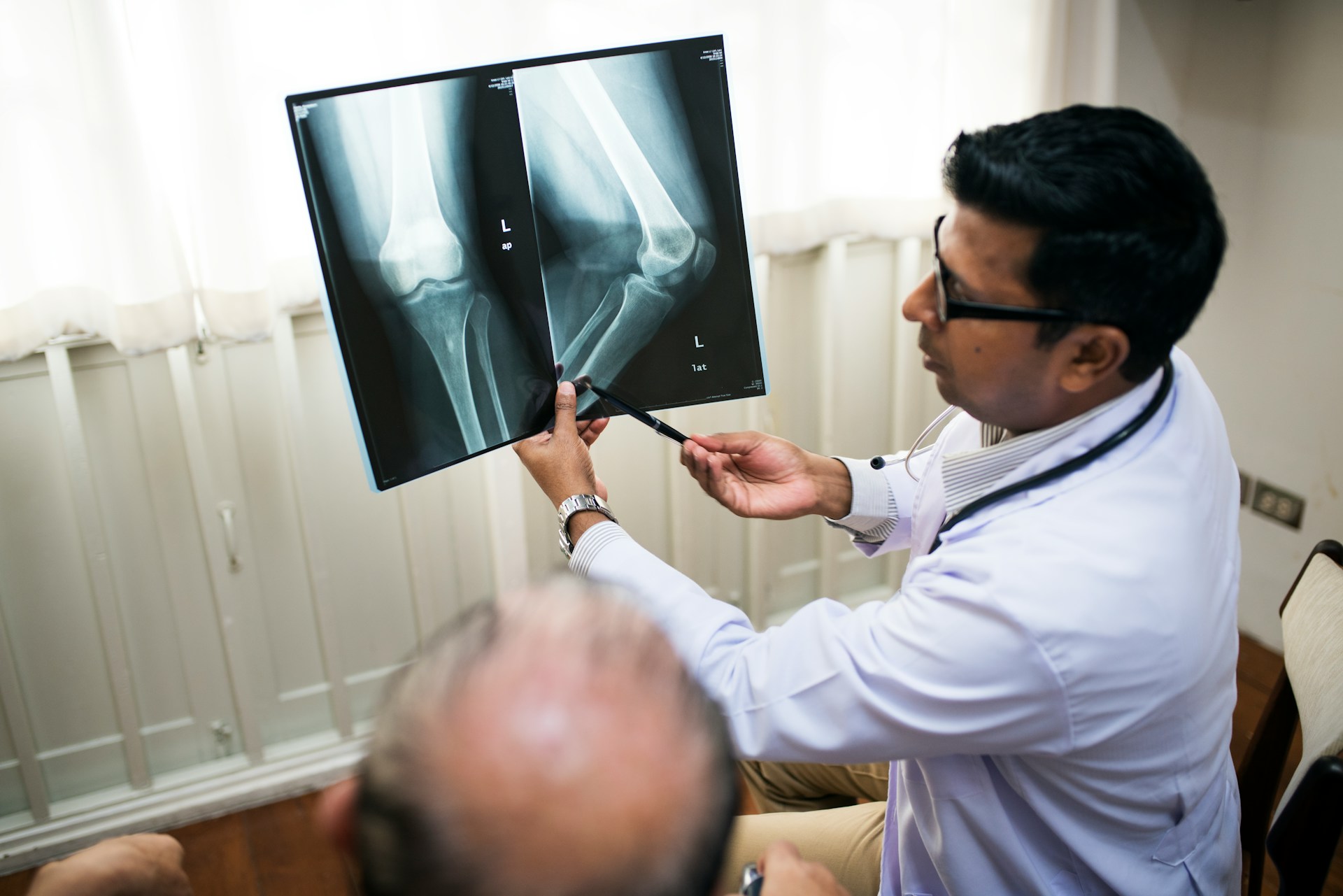
With Mr Kam Cheema, the process is not just about the operation itself. It typically begins with a detailed consultation about your symptoms and lifestyle, followed by a careful knee examination to assess how the joint moves and how stable it feels. You will usually have X-rays (and sometimes further scans) so the arthritis can be located precisely. Your activities and goals are discussed too, whether that means walking holidays, day-to-day comfort, or sport. From there, you will receive a clear explanation of whether a partial knee replacement is suitable for you, or whether another option may be better.
Who Is Best Suited for Partial Knee Replacement in Kent
Partial knee replacement is not right for everyone, but for some people it fits their pattern of symptoms very well. You may be a possible candidate if:
- The pain is mainly on one side of the knee, rather than all over
- X-rays show arthritis is mostly in one compartment
- The knee still feels stable, with ligaments that work well
- Stiffness or pain limits walking, stairs or sport despite other treatments
An accurate diagnosis is key. Localised osteoarthritis needs to be clearly identified, because partial replacement works best when the rest of the joint is reasonably healthy. With Mr Kam Cheema, this means a close assessment of your knee movement, strength and stability, the location of your pain (such as the inner side, outer side or behind the kneecap), and imaging including X-rays and sometimes more advanced scans if needed.
It is also important to set realistic expectations. Partial knee replacement in Kent is not only for older adults. Many active, middle-aged people find it fits their needs when one part of the joint has worn down but they still want to keep an active lifestyle. However, if arthritis is widespread throughout the knee, or if the ligaments are badly damaged, a different type of treatment, such as total knee replacement, may be more appropriate.
Benefits of Partial Knee Replacement for Active Lifestyles
For people who enjoy walking, cycling, tennis, golf or gardening, the possible benefits of partial knee surgery often match their priorities. These can include:
- A smaller incision compared to more extensive surgery
- Preservation of healthy bone, ligaments and cartilage
- Often a quicker early recovery period
- A knee that can feel more “your own” because key structures are kept
Because the main ligaments usually remain intact, many people find they experience a more natural range of motion and may find kneeling or bending for gardening and housework easier. They can also develop better joint awareness, which can help with balance on uneven ground, and feel more confident returning to activities like hiking, cycling, doubles tennis or golf swings.
Recovery does not stop when you leave hospital. Working with Mr Kam Cheema typically involves an individualised rehabilitation plan, which may include:
- Guided physiotherapy to restore movement and strength
- A gradual increase in walking and everyday tasks
- Balance and control exercises to protect the new joint
- Advice about when to return to driving, work and low-impact sport
The aim is not just a healed scar, but a knee that feels ready for the activities that matter to you.
Planning Surgery Around Your Year in Kent
Timing is an important part of planning partial knee replacement in Kent. Many people like the idea of sorting their knee pain so they can make the most of local walks, trips away and family events. It is helpful to think in advance about how the recovery period will fit into your everyday life.
A few things to consider when thinking about timing are:
- Work commitments and whether you can work from home during recovery
- School holidays and family help with shopping, cooking or childcare
- Weather and daylight, which can make getting out for short walks easier
- Any planned trips, especially those involving long drives or flights
In the first few weeks after surgery, you can usually expect to use walking aids at first and then reduce them as your confidence grows. You will also typically have regular physiotherapy and home exercises to keep the knee moving. Some tiredness is common as your body heals, so rest is an important part of recovery.
Over the following months, most people gradually regain strength and flexibility in the operated leg. Many return to driving once they can control the pedals safely, and can often go back to desk-based work relatively early (with heavier work taking longer). Low-impact sport such as cycling, swimming or gentle golf practice is usually built up gradually as recovery progresses. The exact timeline will vary from person to person, so having a clear discussion about your own situation is important.
Taking the Next Step Towards an Active, Pain-Reducing Future
Ongoing knee pain can slowly chip away at the activities you enjoy. When it starts to limit walks, hobbies, work or family time, especially after you have already tried physiotherapy, medication or joint injections, it may be time to explore more focused options.
Working with Mr Kam Cheema gives you the chance to fully understand the choices available, from non-surgical care and regenerative treatments to partial or total knee replacement when needed. Before your appointment, it can help to:
- Keep a simple “knee diary” for a few weeks, noting what causes pain or stiffness
- Think about your key goals, such as walking holidays, gardening or recreational sport
- Write down any questions, including worries about recovery, driving or work
With clear information and a plan that fits your lifestyle, partial knee replacement in Kent can be one of the options that helps you move more comfortably, stay active and feel more like yourself again.
Take The Next Step Towards Confident, Comfortable Movement
If knee pain is starting to limit your daily life, we can help you understand whether a partial knee replacement in Kent is the right option for you. At Mr. Kam Cheema Hip and Knee Surgeon, we take time to explain your choices clearly and tailor treatment to your individual needs. To arrange a consultation or ask any questions about your knee, please contact us and our team will respond promptly.